





Sleep Disorders & The Remedies

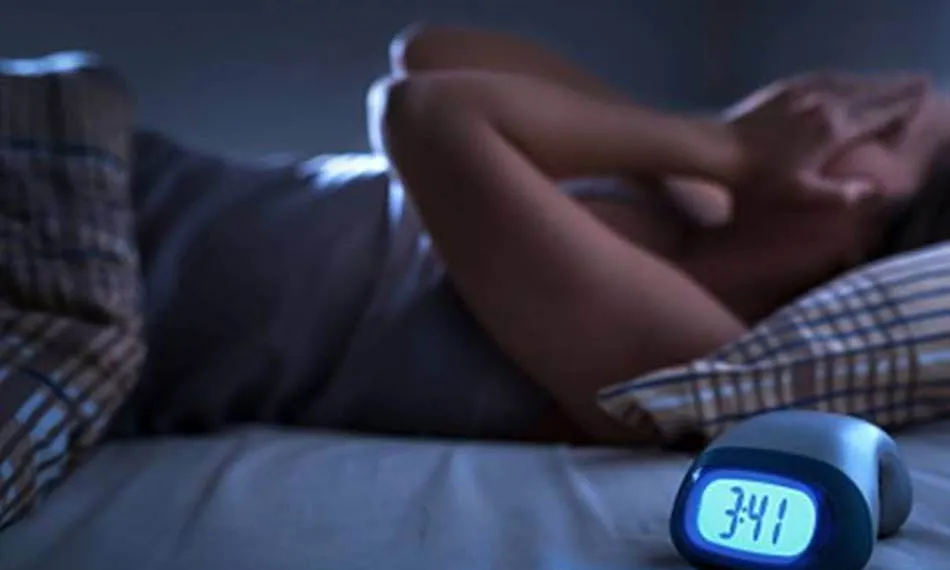
Have you ever wondered what we crave after a back-breaking day at the office?
It’s simple: good sleep. We love the warmth and comfort of our bed. That relaxing, rejuvenating feeling lulls us into sleep within minutes. Though it may sound surprising, we spend one-third of our lives asleep. facing sleep disorders, yet, how often do we stop to think about this essential state our body enters each night?
So, what exactly is sleep, why do we need it, and why is it crucial for our health? This article explores key facts about sleep disorders.
What is Sleep?
Sleep is a recurring state where the nervous system becomes less active, eyes close, muscles relax, and consciousness fades. It’s vital for mental health, muscle repair, immune strength, detoxification, and brain function. It helps store new memories and supports learning. Proper sleep lowers the risk of diabetes, heart disease, obesity, and depression.
Why Do We Sleep?
A structure in the brain called the hypothalamus controls sleep. Light-sensing cells in the hypothalamus, along with the body’s 24-hour clock (circadian rhythm), manage our sleep-wake cycle. As night falls, the pineal gland releases melatonin, which lowers body temperature and induces sleep.
Two primary mechanisms regulate sleep:
-
Circadian rhythm: Syncs sleep with the day-night cycle.
-
Sleep-wake homeostasis: Builds the need for sleep and controls sleep intensity, especially after sleep deprivation.
What Happens During Sleep?
Sleep has two main stages: Non-REM and REM.
-
Non-REM sleep: Light sleep with slowed heartbeat, breathing, and brain activity.
-
REM sleep: Begins about 90 minutes after falling asleep. Brain activity increases, eyes move rapidly, and dreaming occurs.
Benefits of Sleep
Numerous studies highlight how sleep boosts brain function. People sleeping 5–6 hours perform 40% worse in learning and memory tasks than those who sleep 7–8 hours. This is due to the hippocampus, a brain area that stores new information. Sleep deprivation can shut it down, blocking new memory formation. Students benefit greatly from sleep before and after studying.
Sleep protects the heart. A global study showed a 21% drop in heart attacks with sufficient sleep, while deprivation increased the risk by 24%.
Immunity also declines with poor sleep. Natural killer cells drop by 70% after just four hours of lost sleep—raising cancer risk.
Sleep impacts sexual health. Men who sleep seven hours have larger testicles and higher testosterone levels. Poor sleep lowers sex drive and can cause infertility and erectile dysfunction due to hormone imbalance.
It also helps with weight management by increasing leptin, a hormone that suppresses appetite.
Sleep improves mood, concentration, and productivity. It maintains insulin sensitivity, reducing diabetes risk. Poor sleep often links with mental health issues, even suicidal thoughts.
Sleep Disorders
Sleep disorders disrupt normal sleep patterns and severely impact daily life. There are over 80 recognized types. Common ones include:
-
Insomnia: Trouble falling or staying asleep. Affects 30–50% of adults annually. Can be acute (short-term) due to stress or chronic (long-term) lasting over a month.
-
Obstructive Sleep Apnea (OSA): Involuntary pauses in breathing during sleep, usually caused by throat muscle relaxation. Symptoms include snoring, fatigue, headaches, and poor performance. Untreated, it can lead to heart disease, stroke, and diabetes.
-
Central Sleep Apnea: The brain fails to signal breathing muscles.
-
Mixed Apnea: Combination of OSA and central sleep apnea.
-
Narcolepsy: Sudden sleep attacks during the day, often with muscle weakness (cataplexy).
-
Hypersomnolence Disorder: Excessive sleepiness despite long sleep hours. Can be acute, subacute, or persistent.
-
Circadian Rhythm Disorder: Mismatch between internal clock and external cues.
-
Restless Leg Syndrome (Wills-Ekbom Disease): Uncontrollable urge to move legs, especially at night.
-
Substance/Medication-Induced Disorders: Caused by drugs like caffeine, alcohol, or certain medications.
Managing Sleep Disorders
Diagnosis starts with a full medical history, lifestyle assessment, and physical exam. Your doctor may ask you to keep a sleep journal. Tests may include:
-
Polysomnogram (monitors sleep stages)
-
EEG, EMG, pulse oximetry
-
Iron tests, thyroid profile
-
Multiple Sleep Latency Test (measures drowsiness)
-
Maintenance of Wakefulness Test (measures alertness)
-
Actigraphy (tracks movement and sleep patterns using a wrist device)
Medications
Several medications can help:
-
Zolpidem: A sedative-hypnotic for short-term insomnia.
-
Clonazepam: A benzodiazepine that reduces anxiety and aids sleep.
-
Zopiclone: A hypnosedative that promotes sleep—take only before bedtime.
-
Doxepin: Blocks histamine receptors to induce sleep.
-
Lemborexant: Helps initiate and maintain sleep.
-
Ramelteon: Regulates the sleep cycle without sedating the brain.
