







Dealing with Anxiety & Depression

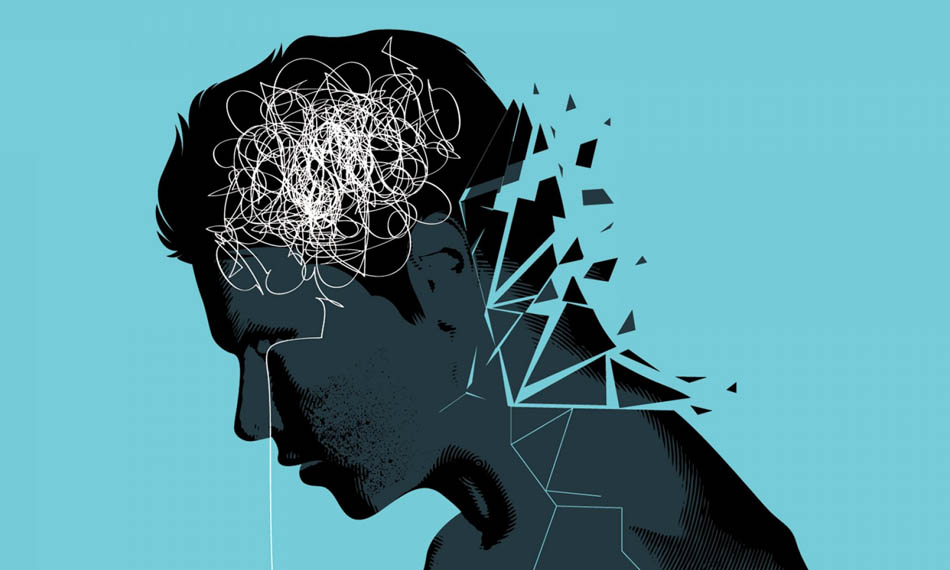
Depression & Anxiety: More Serious Than You Might Think
It was a cold, dark, and drizzling night. I lay in bed when the phone rang. It was my best friend’s mother. Through her sobs, she said, “James is not waking up, please come.” I rushed over, fearing the worst. He had finally surrendered after a long struggle with anxiety & depression. I was the only one who knew what he was battling. I had begged him to seek treatment and counseling, but he refused.
We got him to the hospital. After two days in the ICU, he survived. That moment changed everything. He chose not to fight alone anymore, and his recovery came quicker than expected.
The Scale of the Problem
What happened to James is not rare. Globally, 4.3% to 25% of people experience depression. In 2015, reports showed more than 300 million people were affected. About 17 million Americans face depression every year. Women are affected more than men. Depression and anxiety often go hand in hand, yet their symptoms are often hidden beneath the surface.
How Depression Develops
Depression may last weeks, months, or even years. It can appear once, remain hidden until triggered, or become chronic. It impacts social life, personal interests, and work habits, making it hard for others to understand or empathize.
Recognizing the Symptoms
Biological Signs
-
Trouble sleeping or oversleeping
-
Daytime fatigue
-
Weight changes without dieting
-
Loss of appetite or overeating
-
Menstrual cycle changes
Emotional Signs
-
Constant sadness or grief
-
Guilt, emptiness, or hopelessness
-
Irritability, anger, withdrawal from hobbies
-
Pessimism, low libido
-
Thoughts of death or suicide
Anxiety Symptoms
Biological Signs
-
Fatigue
-
Palpitations
-
Teeth grinding
-
Trouble sleeping
-
Unrefreshing sleep
Emotional Signs
-
Restlessness
-
Panic attacks
-
Constant worrying
Depression in Children
Children may show symptoms like clinginess, irrational worries, refusal to attend school, irritability, and negativity. These signs can be hard to recognize early on.
How Anxiety & Depression Affect the Body
Brain and Nervous System
Anxiety causes regular cortisol release, which may lead to chronic headaches and dizziness. Depression affects memory, reaction time, and concentration. It can also lead to conditions like Alzheimer’s, epilepsy, and multiple sclerosis.
Digestive System
Depression affects appetite and nutrition. Some lose interest in food; others overeat, risking diabetes and weight gain. Symptoms like cramps, constipation, and malnutrition often persist without proper nutrition.
Heart and Circulation
Stress hormones increase heart rate and blood viscosity, encouraging clot formation. This may cause heart disease or worsen existing conditions. Depression is a major risk factor in recurring heart disease.
Impact on the Immune System
Depression and anxiety weaken immunity. Stress hormones suppress natural killer cells and T cells. Inflammatory markers like IL-1, IL-6, and TNF-α increase, while serotonin (a mood stabilizer) drops. New treatments focus on reducing these inflammatory effects.
Managing Anxiety & Depression
First Steps
Acceptance is key. Talk to someone you trust. Start small—organize your room, set routines, and focus on daily tasks. These steps help rebuild control and motivation.
Diet & Nutrition
A balanced diet rich in fruits, omega-3s, vitamin B, D, and amino acids supports neurotransmitter function and mood stability.
Exercise & Engagement
Regular physical activity, enjoyable hobbies, and social interaction boost emotional well-being.
Seeking Medical Help
Speak openly with your doctor about symptoms, thoughts, and experiences. Be honest—it helps with diagnosis and treatment.
Doctors will assess changes in weight, sleep patterns, memory, energy, and suicidal thoughts. Blood tests may include CBC and thyroid function to rule out other causes.
Treatment Options
For Anxiety
-
Benzodiazepines like diazepam, alprazolam, lorazepam, clonazepam
-
Used short-term due to addiction risk
-
Side effects include drowsiness, confusion, and dependence
For Depression
-
Tricyclic antidepressants: Amitriptyline, Doxepin
-
SSRIs (Selective serotonin reuptake inhibitors): Fluoxetine, Sertraline
-
SNRIs (Serotonin-noradrenaline reuptake inhibitors): Venlafaxine, Lev milnacipran
These medications help regulate brain chemicals, especially serotonin, which plays a crucial role in mood.
